Analytical Instrument
Solutions
Scientific instruments for elemental analysis, material characterization, spectroscopy, laboratory inspection and industrial QA/QC — selected around the actual sample, technique, workflow and analytical objective.
Start from what you need
to measure.
Explore analytical instruments by measurement technique, laboratory workflow and industrial application. Each category should be evaluated against the actual sample and analytical objective before final selection.

OES Analyser
Optical Emission Spectroscopy systems for precise metal analysis, alloy-grade verification, PMI, foundry control and industrial QA/QC.
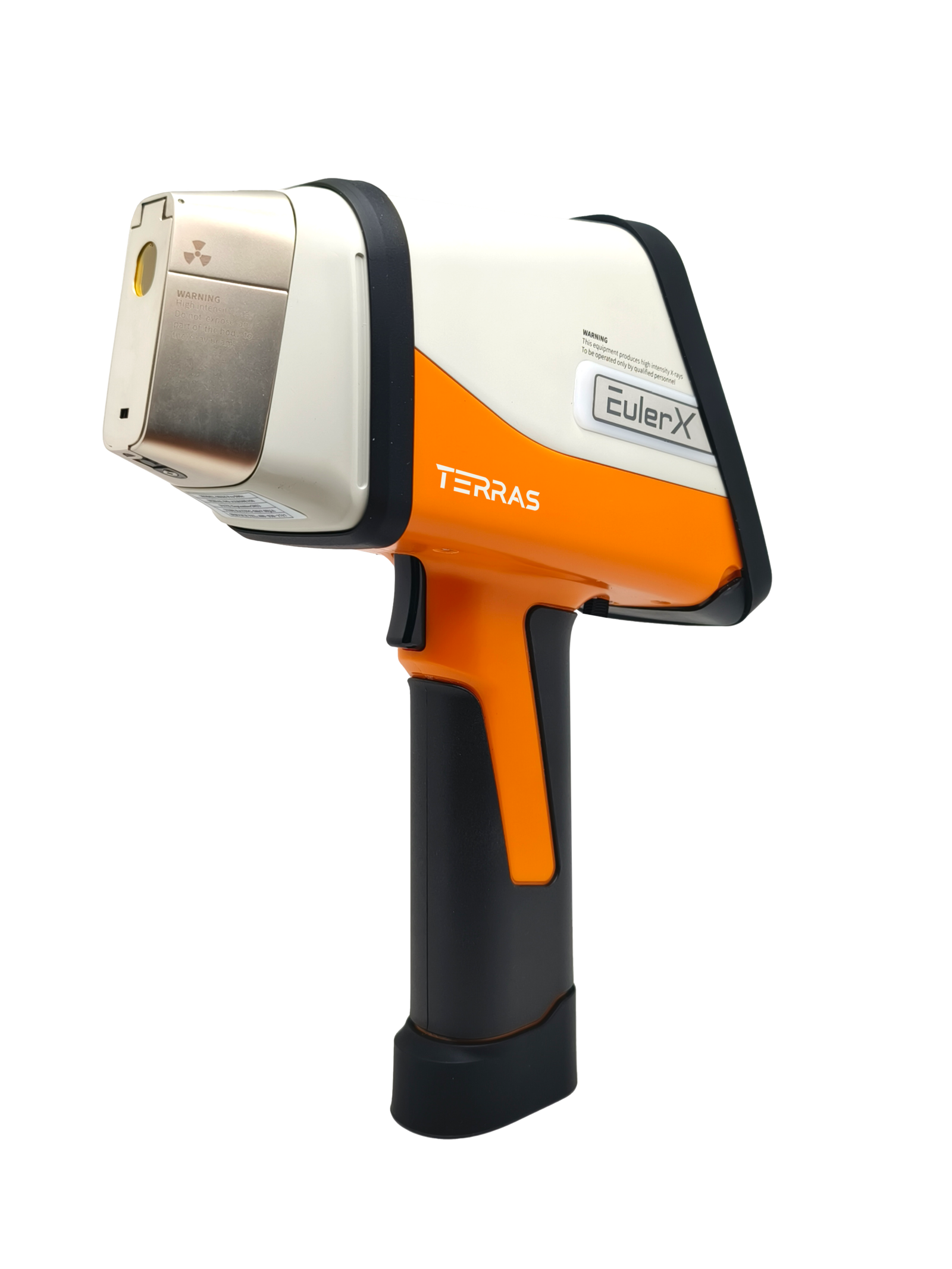
XRF Analyzer
XRF systems for elemental analysis, mining, cement, metals, alloy verification and sulfur-in-oil applications.
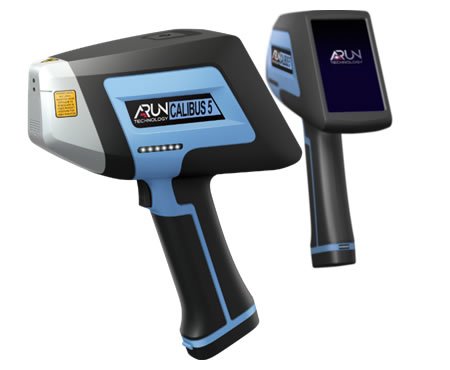
LIBS Analyzer
Laser-Induced Breakdown Spectroscopy systems for rapid elemental identification, metal sorting and alloy verification.
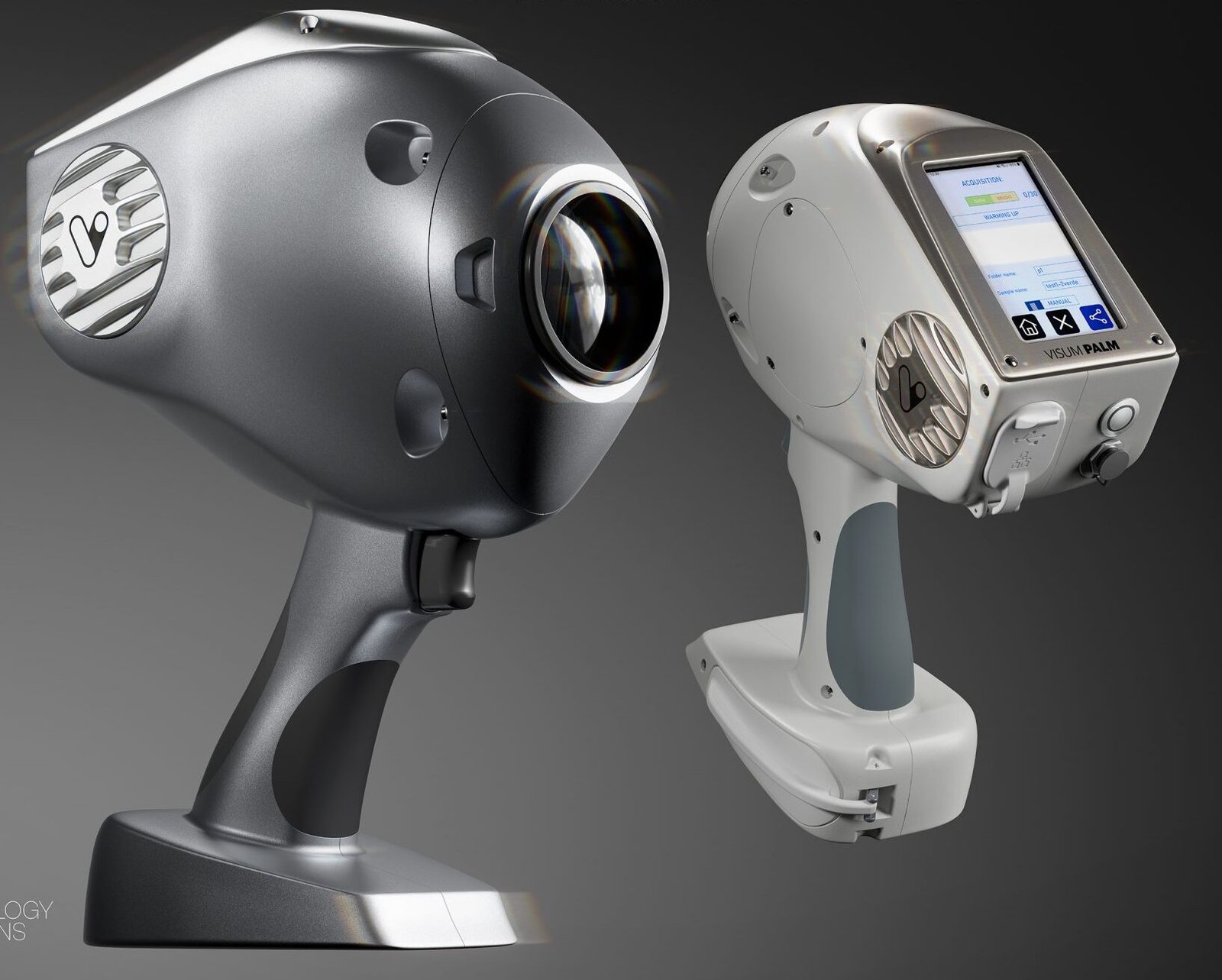
NIR Spectroscopy
Near Infrared systems for rapid material identification, agricultural analysis, food QA/QC and process monitoring.
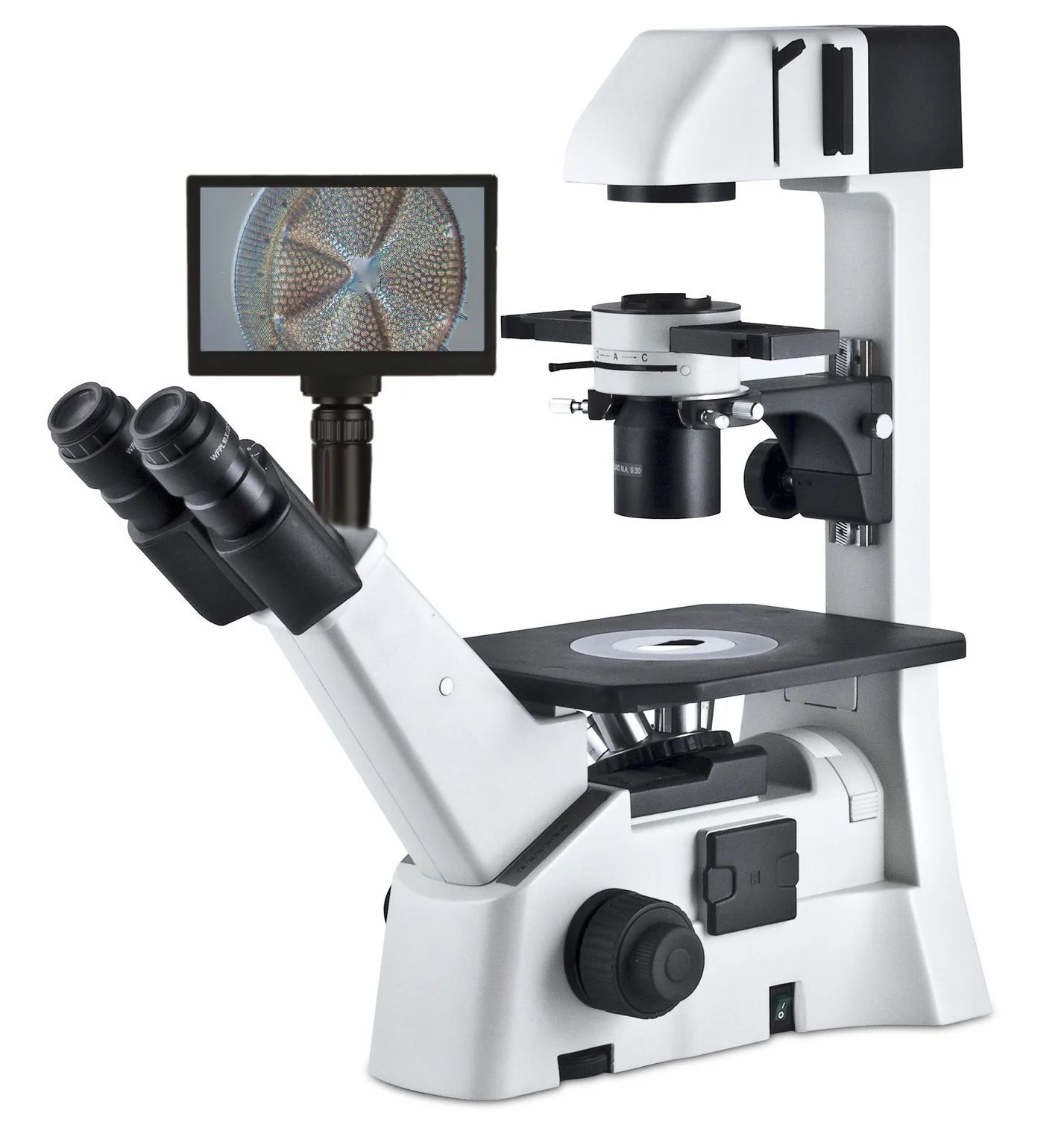
Microscope Systems
Optical microscope solutions for laboratory inspection, material science, electronics and education.
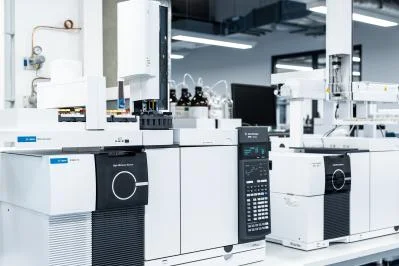
Custom Laboratory Solutions
Instrument matching and workflow consultation based on sample matrix, method, industry and analytical objectives.
The correct technique depends on the result you need — not the instrument name.
Two instruments can both measure elements but serve very different purposes. Selection should consider sample matrix, target analytes, detection range, throughput, preparation, portability and the quality of the result required.
Start with the real sample matrix.
Metal, ore, food, powder, coating and industrial materials interact differently with analytical techniques.
Define what the laboratory needs to know.
Identification, quantitative analysis, grade verification, inspection and process control require different instrument capabilities.
Consider preparation, speed and operating environment.
Benchtop, portable, at-line and laboratory workflows may require different configurations even for the same technique.
Match performance to the analytical objective.
Measurement range, precision, repeatability, calibration and QA/QC requirements should drive the specification.
Specialized manufacturers for
different analytical technologies.
Alpha Prime Lab works with instrument manufacturers selected around technique, application and laboratory requirement.

Instrument selection changes
with the application.
The same analytical technique can serve different purposes across mining, food, metals, manufacturing, research and education.
Mining & Geology
XRF, LIBS and elemental analysis for ore grade control, geochemistry and mineral exploration.
Food & Agriculture
NIR systems for moisture, protein, feed analysis, rapid screening and food quality control.
Metal & Manufacturing
OES, coating-thickness measurement, alloy verification and PMI for foundry and industrial production.
Research & Education
Microscope systems and analytical instruments for universities, research centers and laboratory training.
Understand the requirement before writing the specification.
Instrument selection should start from the analytical problem and then translate that requirement into technique, configuration and performance specifications.
Metal, ore, powder, coating, food, agricultural material or another actual sample type.
Identification, elemental composition, alloy grade, inspection, screening, quantification or process control.
OES, XRF, LIBS, NIR, microscopy or another analytical principle suitable for the result.
Measurement range, precision, repeatability, speed, throughput and other critical performance needs.
Laboratory, portable, production, field or at-line use together with sample-preparation requirements.
Technical fit, budget, support, installation, training and practical lead time.
Frequently asked questions about
analytical instrument selection.
The instrument should be selected around the analytical requirement, not only around a preferred model or brand.
What information should I provide when asking for an instrument recommendation?
Useful information includes sample type, target analytes or measurement objective, expected range, analytical method, throughput, working environment and any existing workflow constraints.
How do I decide between XRF, OES and LIBS for metal analysis?
The appropriate technique depends on the material, elements of interest, required detection range, sample preparation, speed, portability and whether the goal is screening, grade verification or quantitative analysis.
Can Alpha Prime Lab help compare instruments from different technologies?
Yes. The comparison can be structured around the analytical requirement, technique suitability, performance, workflow, support needs, budget and practical lead time.
Can instrument selection be coordinated with sample preparation and QA/QC?
Yes. Where relevant, instrument selection should be considered together with sample preparation, reference materials, calibration standards and laboratory quality-control requirements.
Tell us what you need to measure.
Send us your sample type, target analytes, expected range, analytical method, workflow and application. Alpha Prime Lab can help identify the instrument technique and configuration that best fits your laboratory requirement.